During Production Inspection (DUPRO): Process, Checklist and Quality Control
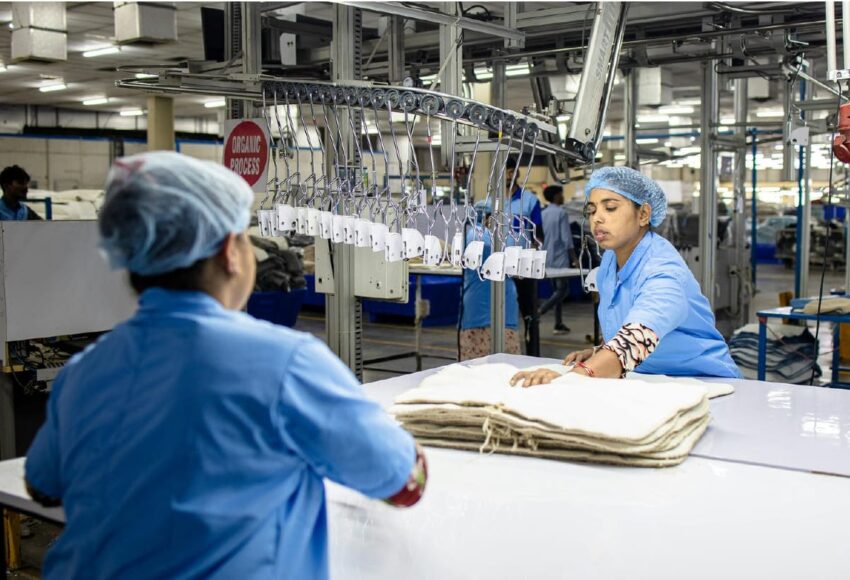
During Production Inspection (DUPRO) is a quality control inspection performed while manufacturing is still in progress. It evaluates products already produced, verifies production status, and identifies quality problems while there is still time to correct them before the order is completed.
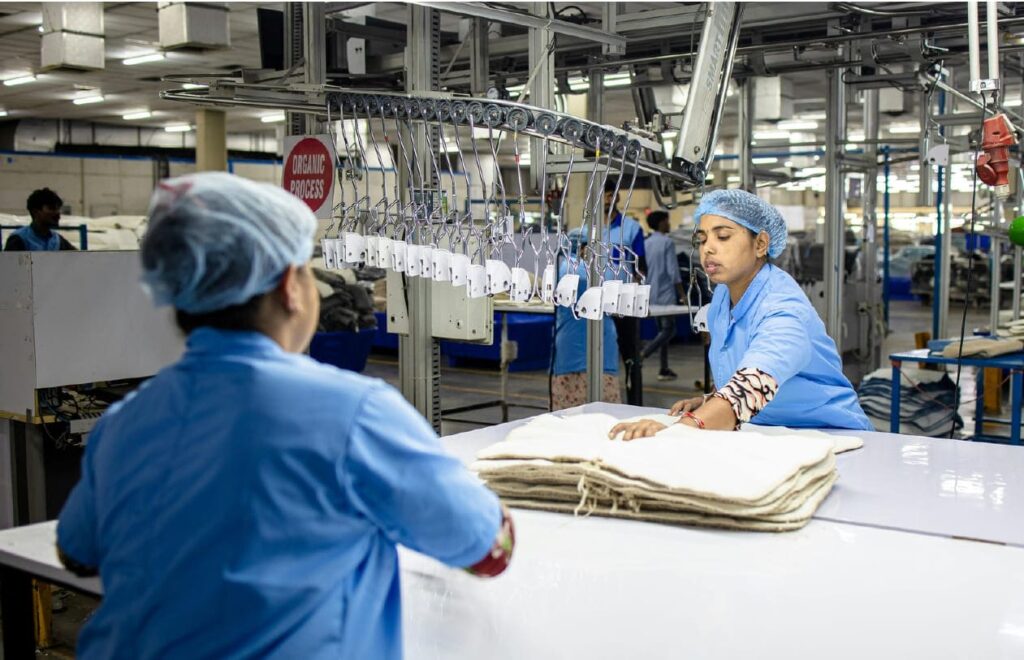
A DUPRO inspection is typically conducted when approximately 10% to 60% of the order has been produced and sufficient units are available for meaningful inspection. At this stage, inspectors can examine actual production output while the factory continues manufacturing the remaining quantity.
This timing is what distinguishes During Production Inspection from a final or pre-shipment inspection. If recurring workmanship defects, incorrect materials, dimensional problems, assembly errors, or other quality issues are discovered, corrective action can be applied to production that has not yet been completed.
What is During Production Inspection?
During Production Inspection is an on-site inspection of goods during active manufacturing. It is also commonly referred to as DUPRO, during production check, or production inspection.
The inspection combines an evaluation of available products with a review of current production status. Depending on the agreed inspection scope, inspectors may check:
- Production progress
- Quantity completed
- Product specifications
- Materials and components
- Dimensions
- Workmanship
- Product function
- Assembly
- Labels and markings
- Packaging already available
- Identified defects
- Corrective actions from previous findings
The objective is to determine whether production is progressing according to the agreed requirements and whether quality conditions observed in the available goods indicate problems that could affect the remaining production.
DUPRO is particularly useful when a quality issue can still be corrected at the production stage. Once an order is substantially completed and packed, correcting widespread defects may require unpacking, sorting, reworking, or reproducing goods.
When is a DUPRO Inspection Conducted?
A During Production Inspection takes place after production has started and before the order is substantially completed.
ECQA typically conducts DUPRO when approximately 10% to 60% of production has been completed. The appropriate timing depends on the product, manufacturing process, order quantity, production cycle, and inspection objective.
The inspection should generally take place when:
- Production lines are operating
- A meaningful quantity of finished or semi-finished products is available
- The manufacturing process is established
- Products can be selected for inspection
- There is enough remaining production for corrective action to have an effect
Timing is important.
If the inspection takes place too early, there may be too few completed units to provide a meaningful view of production quality. Certain manufacturing, assembly, finishing, labeling, or packaging operations may also not have started.
If the inspection takes place too late, recurring problems may already affect most of the order. The factory may then have less time to implement corrective action without affecting the delivery schedule.
For products with long production cycles or several manufacturing stages, more than one inspection round may be used to monitor quality at different points in production.
What Does a During Production Inspection Check?
The exact DUPRO checklist depends on the product specification and agreed inspection scope. A typical inspection combines production-status verification with checks on the products available at the factory.
Production Progress
Inspectors verify the actual production status at the time of inspection.
This may include checking:
- Total order quantity
- Quantity produced
- Quantity under production
- Quantity packed
- Production completion percentage
- Production line status
- Available finished goods
- Progress against the production schedule
Production progress is particularly important when shipment dates are fixed.
A supplier may report that an order is close to completion, while an on-site inspection shows that a substantial quantity is still being manufactured or that important production stages have not yet started.
DUPRO provides direct visibility into the actual status of the order.
Product Specifications
Available products are checked against the applicable specifications, approved samples, technical drawings, purchase order requirements, or other agreed references.
Checks may include:
- Product dimensions
- Weight
- Materials
- Components
- Color
- Construction
- Product configuration
- Assembly
- Accessories
- Finish
The inspection scope should identify which specifications need to be verified and what tolerances apply.
Specification deviations identified during active production can indicate a problem affecting more than the individual samples inspected. The cause may need to be investigated before additional units are produced.
Workmanship Quality
Workmanship inspection evaluates the visible quality and consistency of production.
Depending on the product, common defects may include:
- Scratches
- Dents
- Stains
- Poor finishing
- Uneven surfaces
- Misalignment
- Loose components
- Gaps
- Damaged materials
- Incorrect assembly
- Inconsistent stitching
- Printing defects
A key purpose of DUPRO is to determine whether observed defects appear isolated or whether they indicate a recurring production problem.
For example, repeated misalignment across inspected samples may point to an assembly or fixture problem. Identifying the issue while production continues gives the factory an opportunity to correct the process before the same defect affects the remaining order.
Dimensions and Measurements
Where dimensional requirements apply, inspectors can measure selected products and compare the results with approved specifications and tolerances.
Measurements may include:
- Length
- Width
- Height
- Diameter
- Thickness
- Weight
- Component dimensions
- Assembly clearances
Repeated measurements outside the specified tolerance can indicate process instability, incorrect tooling, material variation, or other manufacturing problems.
Functional Checks
Functional testing may be performed where applicable to the product and inspection scope.
Examples include:
- Basic operation
- Switch and control functions
- Mechanical movement
- Assembly fit
- Stability
- Opening and closing
- Product features
- Accessories and components
These are generally on-site inspection tests rather than comprehensive laboratory testing.
Where regulatory, safety, chemical, mechanical, electrical, or other specialized testing is required, separate laboratory testing may be necessary.
Materials and Components
Where materials or components can be verified during inspection, inspectors may compare them with the approved specification, reference sample, bill of materials, or other available documentation.
This can help identify issues such as:
- Incorrect components
- Unauthorized substitutions
- Wrong material appearance
- Missing parts
- Incorrect accessories
- Inconsistent components between production batches
Material identity or composition cannot always be confirmed through visual inspection. Laboratory testing or supporting documentation may be required where technical verification is necessary.
Packaging and Labeling
Packaging may also be reviewed if packing operations have already started.
Checks can include:
- Retail packaging
- Inner cartons
- Master cartons
- Product labels
- Barcodes
- Shipping marks
- Warning labels
- Packaging materials
- Cushioning
- Quantity per carton
- Packing arrangement
Finding packaging or labeling problems during production can prevent the same error from being repeated across the entire shipment.
How Does a During Production Inspection Work?
The exact inspection process depends on the product and agreed scope, but a typical DUPRO follows several stages.
1. Review the Inspection Requirements
Before inspection, the applicable requirements are established.
These may include:
- Purchase order
- Product specification
- Approved sample
- Technical drawing
- Packaging specification
- Label artwork
- Testing requirements
- Defect criteria
- Previous inspection findings
Clear inspection requirements help ensure that findings are evaluated against agreed criteria.
2. Verify Production Status
At the factory, the inspector establishes how much of the order has actually been produced.
Finished, unfinished, packed, and available quantities may be reviewed to understand the current manufacturing status.
This provides context for the inspection findings. A defect found when only a small proportion of the order has been produced may require a different corrective response from the same defect discovered after most production has been completed.
3. Select Products for Inspection
Where sampling is included, products are selected from the quantities available at the time of inspection.
Samples should be drawn from available production in a way that provides meaningful coverage of the order being evaluated.
The applicable sampling method depends on the agreed inspection requirements.
4. Inspect Product Quality
Selected products are checked against the inspection criteria.
This may include:
- Workmanship
- Dimensions
- Product specifications
- Function
- Assembly
- Components
- Labels
- Packaging
Defects and non-conformities are recorded during the inspection.
5. Conduct Applicable On-Site Tests
Product-specific checks or simple on-site tests may be performed according to the inspection scope.
The tests used depend on the product and applicable requirements.
6. Classify and Record Defects
Observed defects are recorded and, where applicable, classified according to the agreed defect categories and acceptance criteria.
Photographs are normally used to document significant findings and provide visibility into the condition of inspected products.
7. Report Findings and Required Follow-Up
The inspection report records the production status, inspection findings, defects, test results, photographs, and other relevant observations.
Where problems are identified, the buyer and supplier can use the findings to determine appropriate corrective action.
Common Problems Found During Production Inspection
DUPRO can identify individual product defects as well as recurring problems developing across production.
Recurring Workmanship Defects
Repeated scratches, poor finishing, gaps, loose parts, misalignment, or assembly defects can indicate that the manufacturing process requires correction.
The earlier a recurring defect is identified, the fewer additional units are likely to be produced under the same conditions.
Dimensional Variation
Measurements that consistently move outside specified tolerances may indicate problems with tooling, machine settings, materials, assembly, or process control.
Material or Component Inconsistency
Different production batches may contain inconsistent materials, finishes, colors, components, or accessories.
This can become particularly important when production is spread across several days, lines, subcontractors, or material batches.
Functional Problems
Products may fail to operate correctly even when their appearance is acceptable.
Functional checks during production can identify assembly or component problems before the full order is completed.
Incorrect Labels or Packaging
Incorrect labels, barcodes, shipping marks, packaging materials, or packing configurations can become large-scale problems if the same mistake continues throughout packing.
Early detection allows the packing process to be corrected before more units are affected.
Production Delays
A DUPRO may also reveal that actual production is behind the supplier’s reported schedule.
This gives the buyer greater visibility into potential shipment delays and provides time to discuss production priorities or delivery arrangements with the supplier.
During Production Inspection vs Pre-Shipment Inspection
During Production Inspection and Pre-Shipment Inspection are performed at different stages of manufacturing and serve different quality control purposes.
| During Production Inspection (DUPRO) | Pre-Shipment Inspection (PSI) | |
| Timing | During active production | When production is substantially completed |
| Main objective | Identify problems while production can still be corrected | Verify finished goods before shipment |
| Production progress | Important part of the inspection | Production should already be near completion |
| Products inspected | Available production output | Finished goods |
| Corrective action window | More production remains to be corrected | More limited because production is already completed |
| Useful for | Process-related issues, recurring defects, progress monitoring | Final product and shipment verification |
A DUPRO can reveal a recurring defect while the factory is still producing the order. Corrective action can then be applied to subsequent production.
A Pre-Shipment Inspection (PSI) provides a later-stage evaluation of finished goods before shipment.
The two inspections can therefore be used at different control points within the same quality assurance program.
For higher-risk orders, DUPRO may be used to identify problems during manufacturing, followed by PSI to verify the condition of completed goods before shipment.
When Should You Use a DUPRO Inspection?
During Production Inspection is particularly useful when quality or delivery risks need to be monitored before manufacturing is completed.
Working With a New Supplier
A new supplier may not yet have an established production history with the buyer.
DUPRO provides visibility into actual manufacturing quality before the first order is completed.
Large Orders
A recurring defect can affect a substantial number of units when production volumes are high.
Inspecting during production provides an opportunity to identify the issue before the remaining quantity is manufactured.
Long Production Cycles
Products that require several manufacturing stages may benefit from inspection before later processes make defects more difficult or expensive to correct.
Previous Quality Problems
If earlier orders experienced recurring defects, DUPRO can be used to check whether corrective actions have been implemented during the next production run.
Strict Delivery Schedules
Quality problems discovered only after production is completed can delay shipment if goods need sorting or rework.
Earlier inspection provides more time to address issues without immediately reaching the scheduled shipping date.
Complex Products or Manufacturing Processes
Products involving multiple components, assembly stages, finishing processes, or suppliers can develop quality problems at several points during production.
Inspection during manufacturing provides an additional control point before the order is completed.
Packaging or Specification Changes
Changes to materials, components, dimensions, packaging, labels, or product construction can introduce new quality risks.
DUPRO can verify how the revised specification is being implemented during actual production.
What Happens When Problems Are Found During DUPRO?
A failed or problematic DUPRO inspection does not automatically determine what should happen to the entire order.
The appropriate response depends on:
- Type of defect
- Severity
- Frequency
- Quantity already affected
- Root cause
- Remaining production quantity
- Possibility of rework
- Buyer requirements
Corrective actions may include:
- Adjusting the manufacturing process
- Reworking affected products
- Replacing incorrect components
- Correcting dimensions or assembly
- Improving workmanship controls
- Correcting labels or packaging
- Sorting affected production
- Increasing internal factory inspection
- Conducting a follow-up inspection
Where recurring defects are identified, the underlying production cause should be addressed before manufacturing continues under the same conditions.
A follow-up inspection can then verify whether corrective action has been implemented effectively.
What Does a DUPRO Inspection Report Include?
A During Production Inspection report records the condition of production at the time of inspection and the findings from the products examined.
A typical report may include:
- Factory and product information
- Order quantity
- Production status
- Quantity available
- Sampling information
- Product specification results
- Dimensional measurements
- Workmanship findings
- Functional test results
- Defect classification and quantities
- Packaging and labeling findings
- Photographs
- Inspector observations
- Overall inspection result
The report gives the buyer a documented view of production while manufacturing is still underway.
It can then be used to discuss corrective action with the supplier, determine whether follow-up inspection is needed, or decide how the order should proceed.
During Production Inspection is most effective when it is scheduled early enough for the findings to influence the remaining production. Define the inspection scope, specifications, sampling requirements, and acceptance criteria before the inspection, then use the findings to address recurring quality issues while manufacturing is still underway.

 Request Free Sample Report